Monthly Archive: February, 2018
Plantinga

Alving Plantinga’s criticism of Aquinas’s Doctrine of Divine Simplicity cannot be ignored since currently numerous philosophers and theologians follow him regarding the downplaying or rejecting DDS. In fact, engaging Plantinga’s arguments against DDS is a needed step in order to explore whether divine simplicity can be recorded in the analytic tradition. Embracing a non-constituent ontological framework where human concepts can apply univocally to God despite the limitations of human language (p. 18), Plantinga explores how God relates to abstract properties and the conflict between DDS and attributes such as aseity and sovereignty. Plantinga discusses Aquinas’s doctrine of simplicity and offers …

Thomas Aquinas

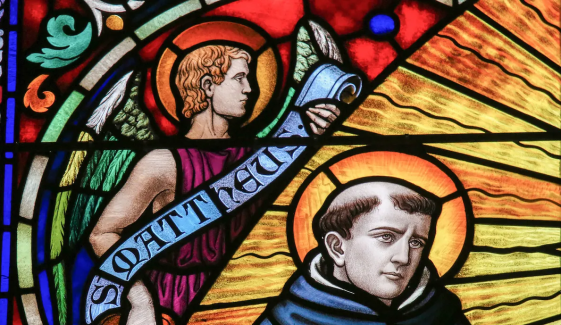
In Articles 1 through 8 of Summa Theologica I Question 3, Aquinas offers a series of philosophical arguments in favor of DDS in an apophatic way. In that regard, he addresses eight questions: whether God is a body, whether God is composed of form and matter, whether God is the same as His essence or nature, whether God essence and existence are the same in God, whether God is contained in a genus, whether there are accidents in God, whether God is altogether simple, and whether God enters into the composition of other things. The Thomistic doctrine of simplicity can be summarized as …

Bullinger

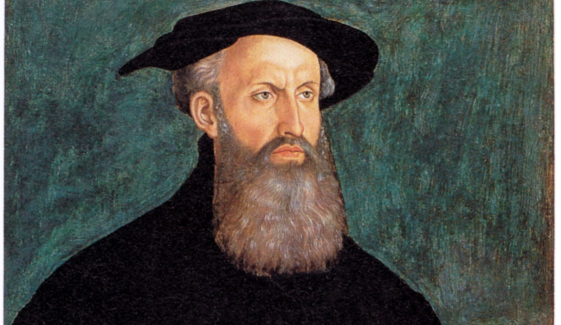
Although the covenant was a relatively known theme among sixteenth-century early Reformers, Bullinger’s theology —as reflected in his treatise A Brief Exposition of the One and Eternal Testament or Covenant of God (hereafter Covenant of God) — develops further Zwingli’s notion of the covenant. Although we can’t say that the covenant is a central hermeneutical principle to understand all Bullinger’s theology, his development of the covenant offers some good insights. Testamentum as Covenant Due to the diversity of meanings, Bullinger starts clarifying his understanding of the term ‘testamentum.’ He understands ‘testamentum’ as an oath-based promise taking into account what Scripture …

Didache

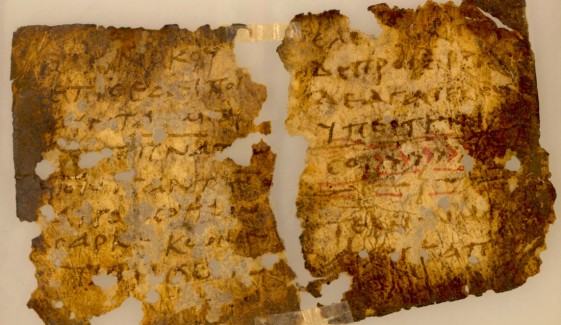
Writings of the Early church such as The Didache, The First Epistle of Clement to the Corinthians, Ignatius’s Letters, the Martyrdom of Polycarp, and Justin’s First Apology deal, in some ways, with the formation of Christians’ faith and the promotion of the Christian life and its values. Although Christianity had its foundation in the Jewish tradition, it soon developed its own religious system theologically and practically. These writings are not only a reliable testimony of the development of the Christian faith and its departure from Judaism. They also show modern readers the importance Early Christian writers gave to the balance …