In Gregory the Great’s Pastoral Care the balance of the Christian life of the clergy not only permeates Gregory’s discussions in each major section of the book but also this theological motif served him to challenge the tendency of the clergy of his times to have a negative attitude towards the active life. Overall, Gregory’s middle-ground position of work is noteworthy and deserves more attention. He seems to defend ‘the mixed life’ in his discussions, where the balance motif serves such a purpose. The ‘mixed life’ is understood as the combination of both the active and contemplative life of the …
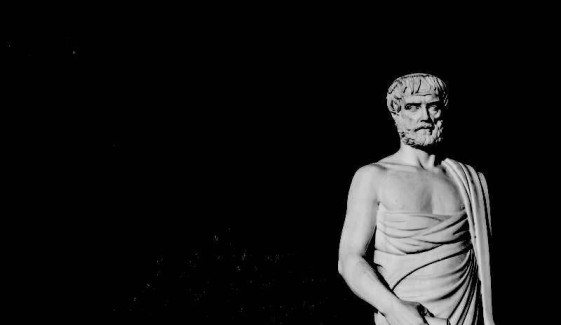
Aristotle’s starting point of his discussion of happiness can be found in Book One, Chapters 1-10 of Nicomachean Ethics, where he discusses the relation between the good of an action/decision, for instance, and its goal or purpose. Aristotle argues that all human activity aims or attains at least some good associated with it. It is not so difficult, therefore, to connect happiness with what most people consider to be good. This point is central because it constitutes one of the supporting arguments for Aristotle’s discussion that the goal or purpose of human life is reaching happiness. Although people can observe …