Topic: Soren Kierkegaard
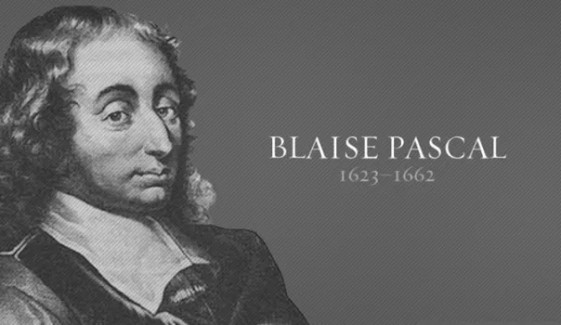
Pascal

Both Pascal’s Pensees and Kierkegaard’s “Christ the Prototype” deal with the promotion of authentic Christian faith. Both works present his readers with an apology for Christianity. Despite their common goal, Pascal and Kierkegaard use different apologetic strategies. In this respect, I will focus especially on the difference between audience and rhetorical strategies. Important to note is the culmination of Pascal’s apologetic strategy with the Wager Argument, which deals with one’s commitment to believe or not in God [cf. L418]. With the Wager argument, Pascal wants to show his audience that it is rational to believe in the existence of God. …
Kierkegaard

Kierkegaard tells us that the Socratic tradition understood sin as ignorance. The problem that Kierkegaard finds with such a notion is its partial definition, which “leaves unclear how ignorance is to be more precisely understood, the question of its origin, etc. ” (p. 120). In Socrates’ view, if someone sins, such sinful action happens because one does it involuntarily and out of ignorance. Sinful actions are not rooted elsewhere but in knowledge itself. In this respect, Socrates’s definition of sin has a serious issue: “If sin is ignorance, then sin does not really exist for sin is precisely consciousness” (p. …